












Find the kind of puzzle you actually feel like playing
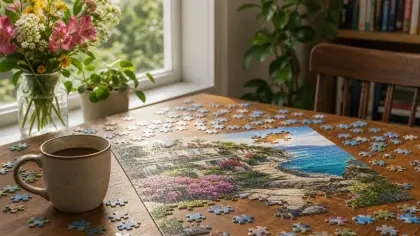
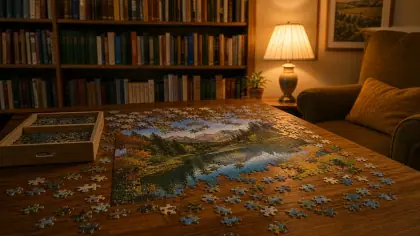
The category you choose decides what your hands actually do for the next hour. A picture full of repeated color pushes you toward shape and small shifts in tone, while one with strong contrast and clear objects lets your eye carry most of the load. It pays to know which sort you are walking into before you tip the pieces onto the table.
Contrast and clear objects do half the work
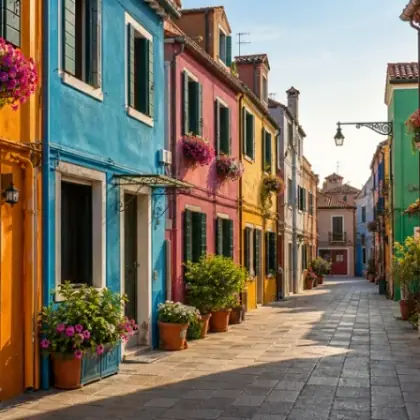
When an image has bold shapes and obvious focal points, it more or less sorts itself. An animal puzzle is a gift here: an eye or a nose gives you somewhere to start, and a face reads instantly even at 36 pieces, so you can build outward from it. Buildings and bridges work the same way for different reasons, since straight rooflines and window grids carve the picture into regions you can take one at a time. A sign, a horizon, or a bright flower against dark leaves becomes a landmark that tells you where each handful of pieces belongs. You group by what you recognize, snap those clusters together, and the dull stretches between them fill in almost on their own. If that rhythm is new to you, the how-to-play guide walks through it step by step.
When color repeats, you read shape instead
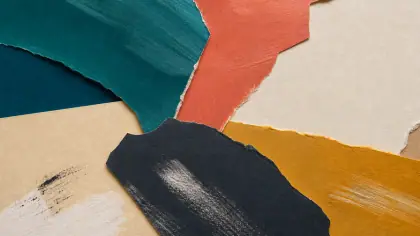
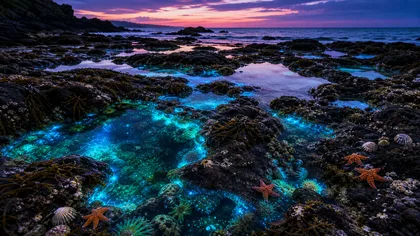
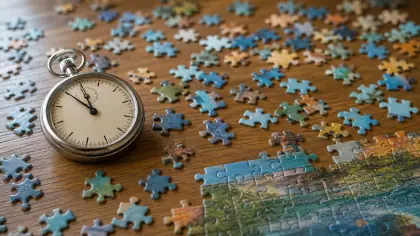
The slower, more stubborn puzzles take those landmarks away on purpose. A field of flowers, the flat surface of the sea, or an abstract wash of color repeats the same few tones across the whole board, and your eye quietly stops helping. Sorting shifts to the cut itself: the fit of a knob into a socket, or a gradient so faint you only catch it across a whole corner. Two pieces can look the same, and only their shape tells them apart. It is slow going, and a sky you fought for tends to stay with you longer than one that fell into place.
Let the piece count match the picture
How hard a puzzle plays depends on the count and the picture together. A detailed city skyline at 300 pieces hands you hundreds of separate windows and signs to latch onto, so it can come together faster than a plain snowfield at the same number. Use that to your advantage. For a quick sit-down, a 50 or 80 piece image with strong contrast is done before you know it; when you want the picture to fight back, push a repetitive one up to 600 or 1000. If a single theme feels too narrow, the full puzzle library lays everything out in one place, and on the days you would rather not choose at all, the daily puzzle hands everyone the same picture to solve.