Free Online Jigsaw Puzzles for Kids
Dinosaurs, unicorns, puppies, rockets and a few farm animals, all with big bright shapes that are easy for a child to spot. The puzzles start at 4 pieces and play free in any browser. There is nothing to buy, download or sign up for.
Puzzles kids reach for first

Unicorn by a Rainbow Waterfall

T. Rex on a Ridge

Puppy Nap

Rainbow Hot Air Balloons
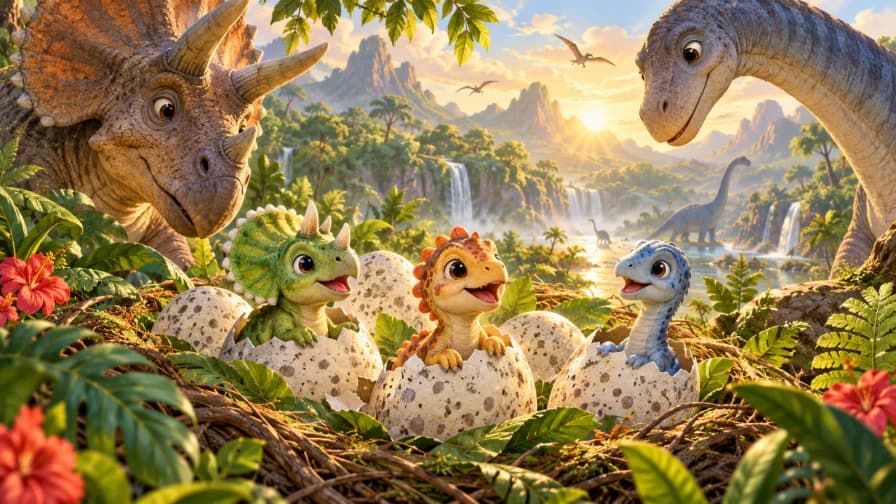
Baby Dinosaurs Hatching
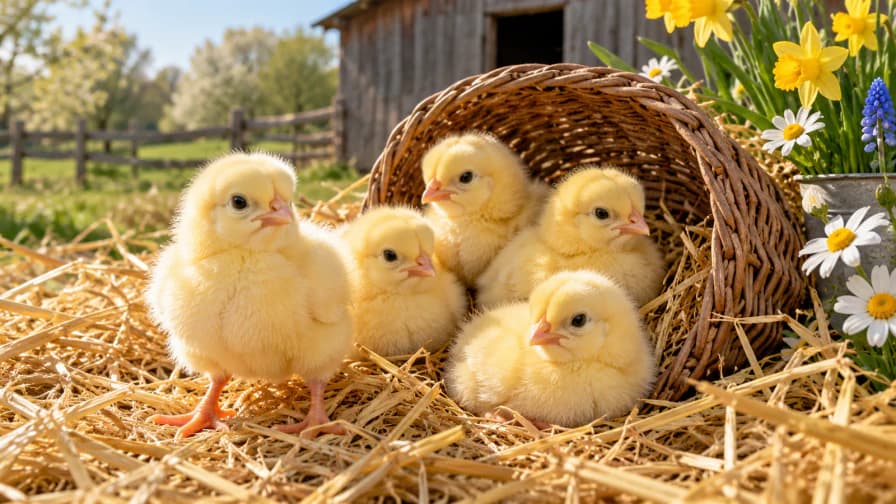
Chicks Nestled in Straw
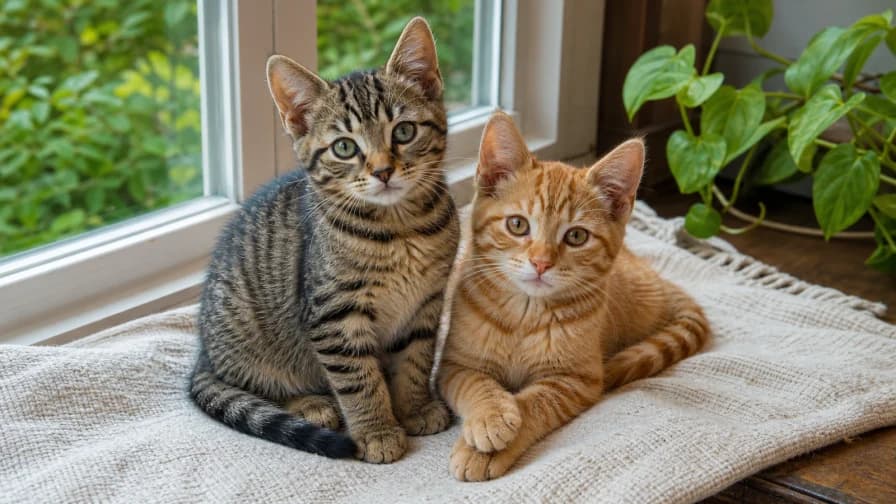
Kittens by the Window

Baby Unicorn in Flowers
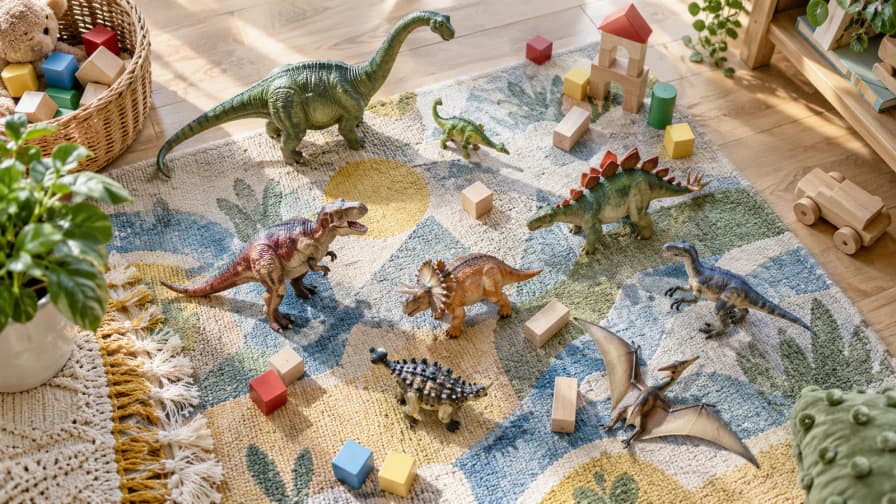
Toy Dinosaurs on a Playroom Floor
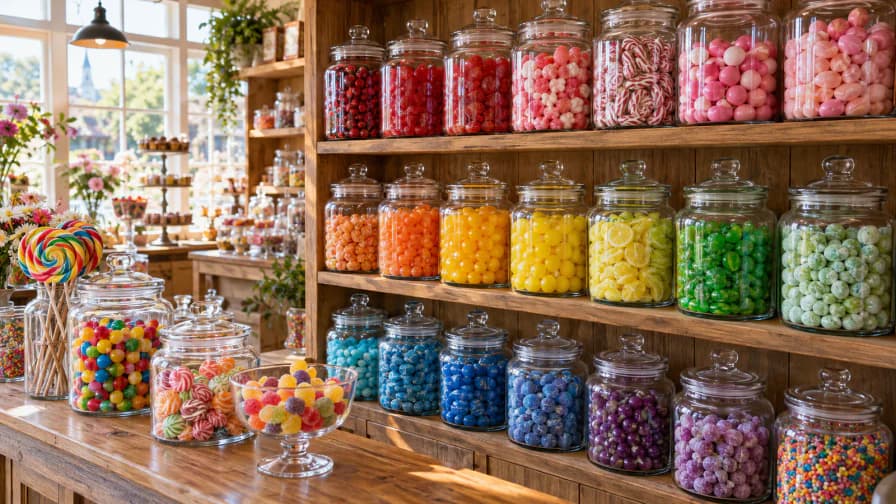
Rainbow Candy Jars
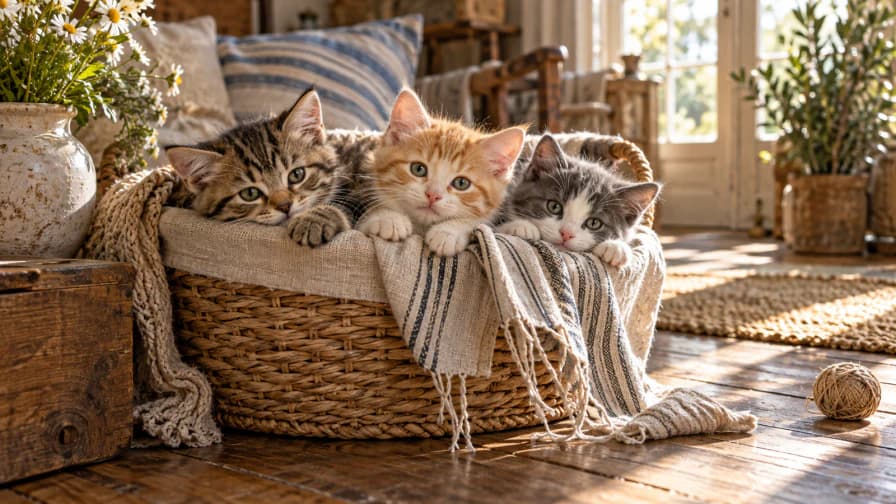
Three Kittens in a Linen Basket

Triceratops in a Fern Forest
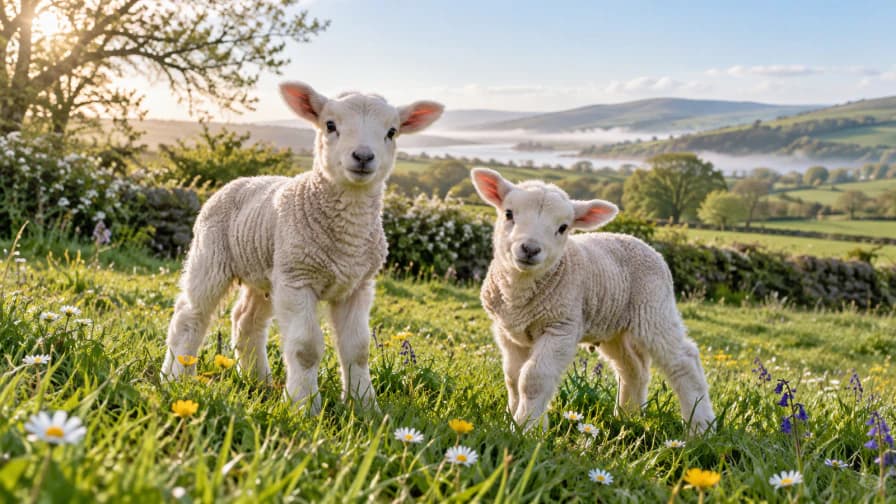
Lambs in a Green Spring Field
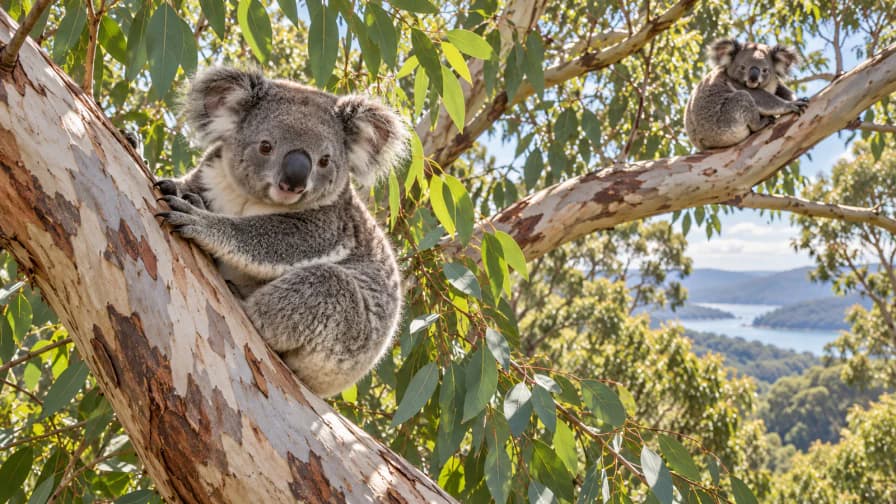
Koalas in a Gum Tree Canopy
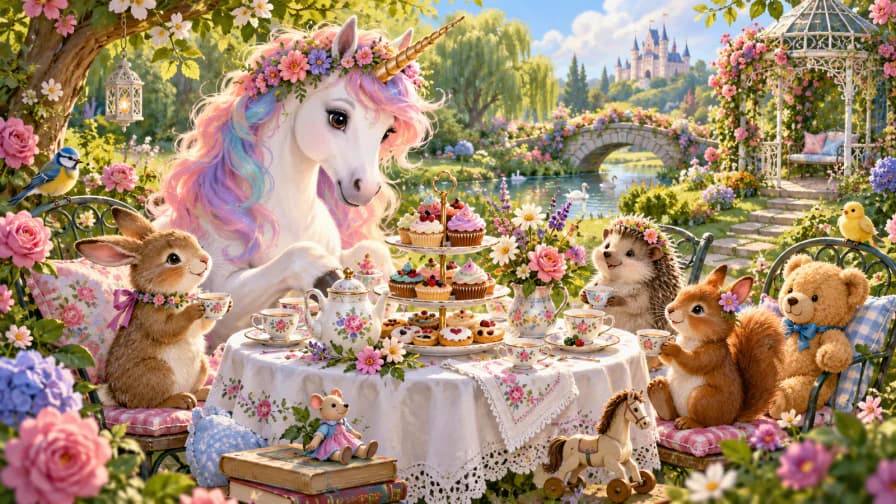
Unicorn Tea Party

Meerkats on a Sandy Rise

Rocket Launch
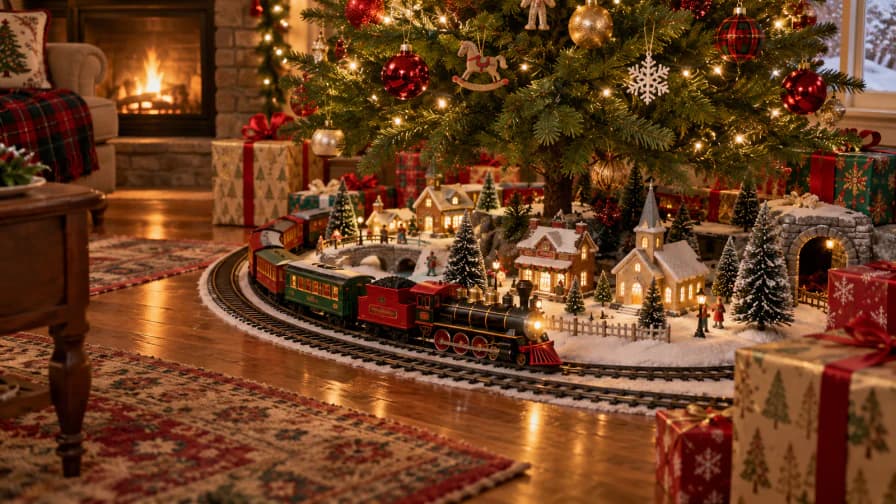
Christmas Train Set around the Tree

Stegosaurus Herd at Sunset

Bunny in a Flowering Meadow

Otter Family beside the Riverbank
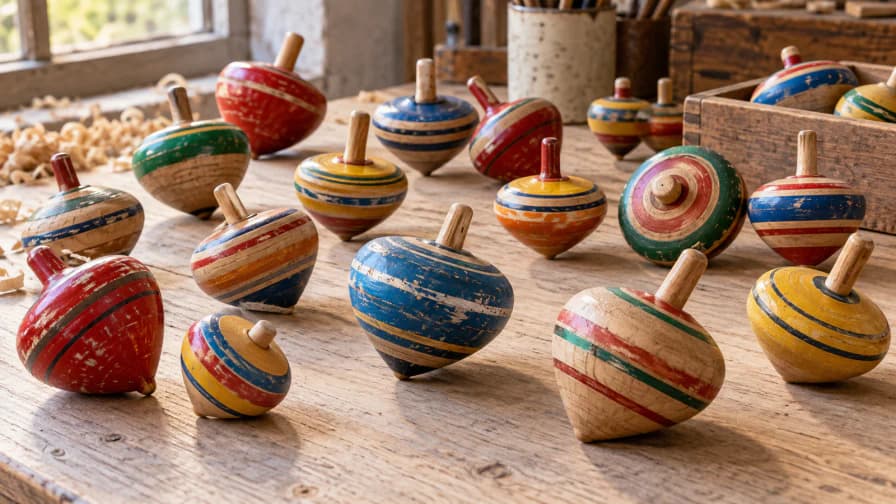
Painted Wooden Spinning Tops

Red Tractor at Harvest

Rainbow over a Farm after Rain
How many pieces for which age
| Age | Pieces | A good one to try |
|---|---|---|
| 3 to 4 | 4 to 8 | Chicks Nestled in Straw |
| 5 to 6 | 12 to 24 | Baby Dinosaurs Hatching |
| 7 to 9 | 36 to 50 | Unicorn by a Rainbow Waterfall |
| 10 and up | 80 to 104 | T. Rex on a Ridge |
Ages are only a starting point. A 5-year-old who has done a few puzzles may want more pieces than a 7-year-old doing their first. Change the count, not the picture, when they ask for something harder, so they keep a subject they already know.
Dinosaurs and unicorns, mostly
Ask a room of children what they want to build and those two win. The dinosaur puzzles range from the toy ones on a playroom floor to a stegosaurus herd at sunset, and the unicorn puzzles are pink, gold and generous with rainbows. After that it is animals: the kittens in a basket, the meerkats, the otters on the riverbank. Around the holidays the Halloween, Christmas and Easter pages have more that suit small hands.
Sitting next to them
A tablet is the easiest thing to share: pieces move with a finger, and turning it sideways gives a wide picture more room. Sit close enough to point, but let them move the piece. The little snap when it lands is the part they remember. Take turns if two of them want the same puzzle, and keep the Preview panel open on the first few. Looking at the picture is how you talk about it: where is the cat looking, which way does the river go.
Half a puzzle at bedtime is fine. The board saves itself on that device, so it is still there after breakfast. There are no ads on the site, no purchases and no account needed for solo play.
And for you, afterwards
The same board runs the puzzles for adults at 300 or 1000 pieces once the house is quiet. If your child has a favorite animal, the full cats and dogs categories have plenty more faces to pick from.