Jigsaw Puzzles for People with Dementia
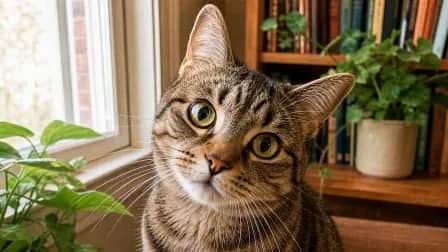
Simple, familiar pictures that are easy to enjoy: a cat by the window, a vase of red tulips, chicks in straw. We chose these puzzles for people living with dementia and for the family members and carers who sit down to do them together. They play in a browser on a tablet or computer, and you can start with as few as 4 pieces.
Puzzles we chose










What makes a puzzle dementia friendly?
- One clear subject in the middle, nothing hidden in the background.
- Strong contrast, like red tulips against a white wall.
- Familiar things such as pets, flowers, a teapot or a boat in a harbor.
- Few pieces. Start at 4 or 8 and only go up if it stays fun.
- No clock. Turn on Untimed in the game settings so there is no timer on screen.
How to set it up
- Use a tablet or a laptop rather than a phone, so the pieces are big.
- Choose 4, 8 or 12 pieces and press Play.
- Press Full Screen to hide everything except the puzzle.
- Keep View Photo handy. Looking at the finished picture together is part of the fun, not cheating.
- Sit side by side, take turns placing pieces and stop while it is still enjoyable.
Which pictures work best?
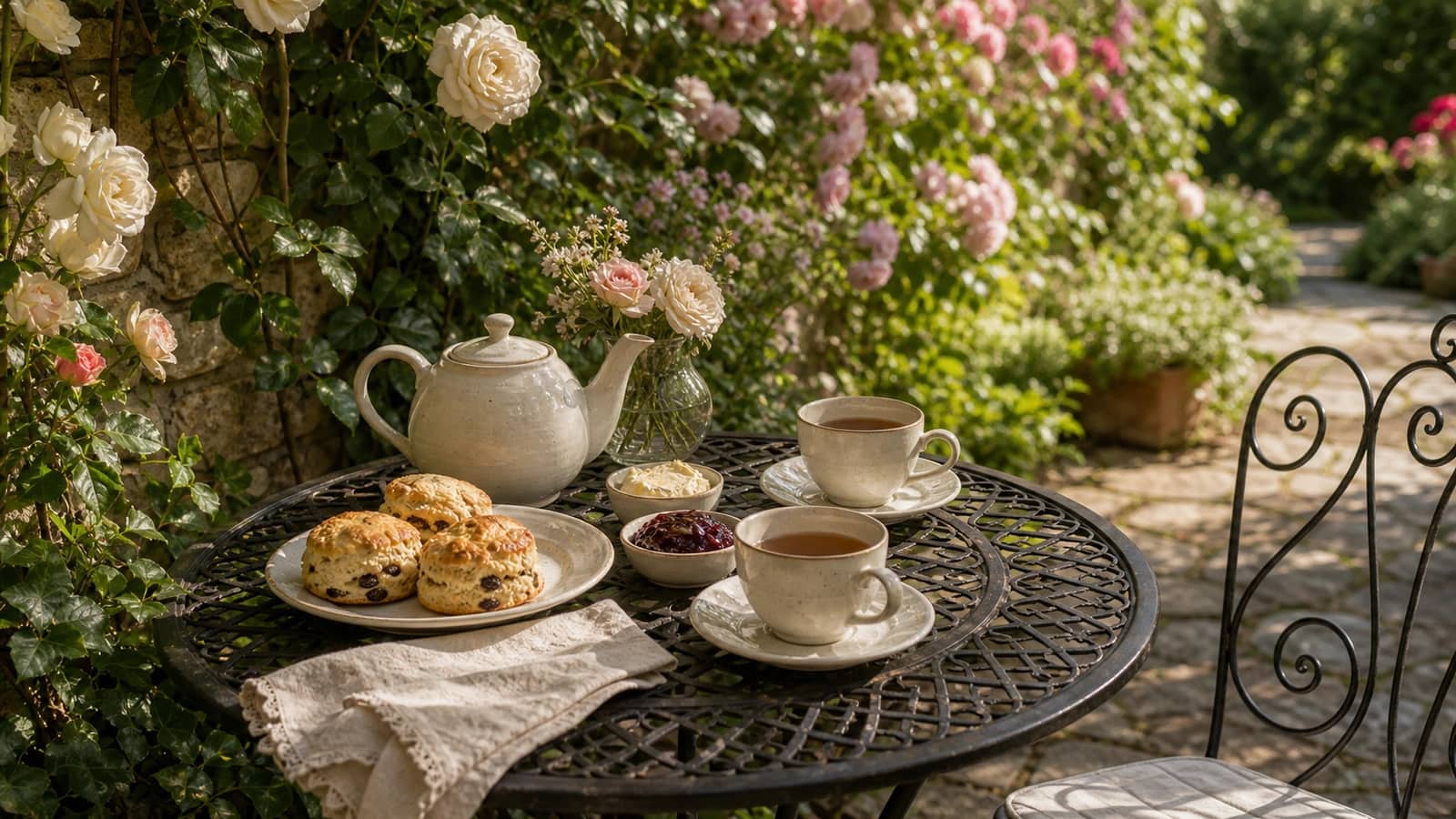
Start with an animal or a flower. Curious Kitty and Puppy Nap have one face that fills the picture, and Red Tulips in a Ceramic Vase is bright red against white. For something to talk about, Garden Tea Time and Sailboat at a Quiet Harbor often bring back a memory or two. In spring, the lambs and the chicks are a gentle favorite.
What can a puzzle do, and what can it not?
Families often say a puzzle is a calm thing to share, and a picture gives conversation somewhere to start: that looks like the garden at the old house, we had a cat just like that. Finishing a small puzzle can feel good on a day when other things are hard.
It is not a treatment, and as far as anyone knows it does not slow memory loss. People searching for puzzles for dementia patients are usually looking for a gentle activity, and that is what these are. Alzheimer's Society in the UK and the Alzheimer's Association in the US both have good advice on activities, and a doctor or care team knows the person best.
If it starts to feel frustrating
Drop to fewer pieces, switch to a picture with a single animal or flower, or just stop and look at the photo together instead. There is no score to protect. For more clear pictures at low piece counts, see the puzzles for seniors and the large-piece puzzles.