300-Piece Jigsaw Puzzles to Play Online
At 300 pieces, a single object may need its own small sorting area. The weave in a carpet or the tracks beside a rover becomes useful evidence, even after the broad colors are separated. Each picture below opens with 300 pieces selected. A wide screen gives you more room for loose pieces, and progress saves in this browser between visits. There is no need to finish the table in one sitting.
Pictures that stay readable after 300 cuts
Dense does not need to mean muddy. A useful 300-piece picture carries several kinds of information at once: large regions for an early sort, recognizable objects for building small groups and fine texture for the later gaps. Carpet borders, ski gates, a game board and rover tracks create four distinct systems to follow.
Repeating ornament makes you compare small differences within one pattern. The ski course offers longer lines to follow, with flags crossing a broad field of snow. Candlelight gives the tabletop a more uneven contrast: hands and pale cards stand out, but the wood between them takes closer study. Choose the kind of detail you would like to spend time with, not just the brightest thumbnail.
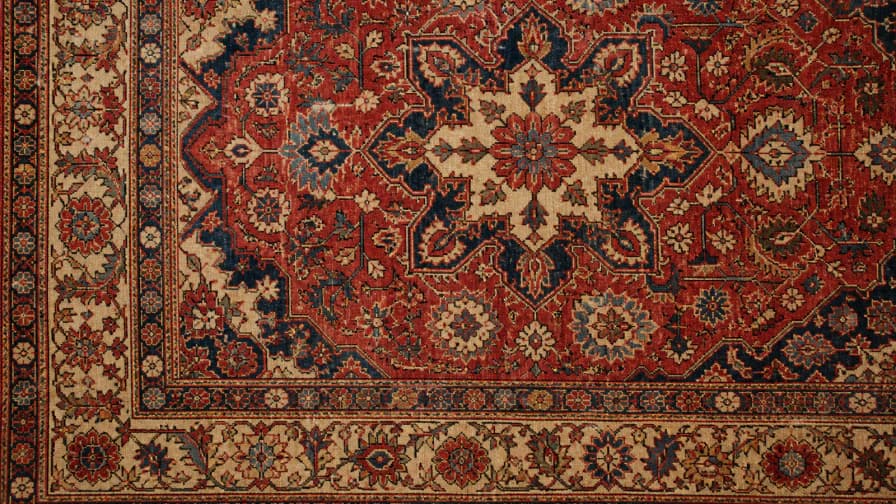
Persian Carpet Detail
Separate the ivory center from the brick-red field before following the indigo branches through each corner. Long border bands can be assembled as narrow groups, while worn fibers and tiny changes in the weave distinguish motifs that first appear identical. Repetition makes this the page's most patient 300-piece solve.
Play Persian Carpet Detail at 300 pieces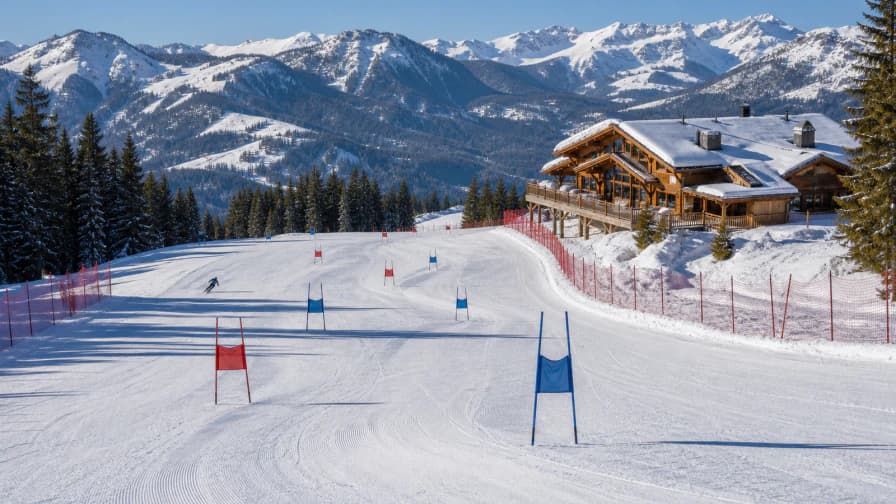
Ski Lodge Race Course
Red and blue flags punctuate the broad slope and help neighboring snow pieces find their level. Build the lodge from beams, windows and railings, then use the fir line to separate the course from the mountains. Grooming marks and ski tracks keep the pale foreground from becoming a featureless final section.
Play Ski Lodge Race Course at 300 pieces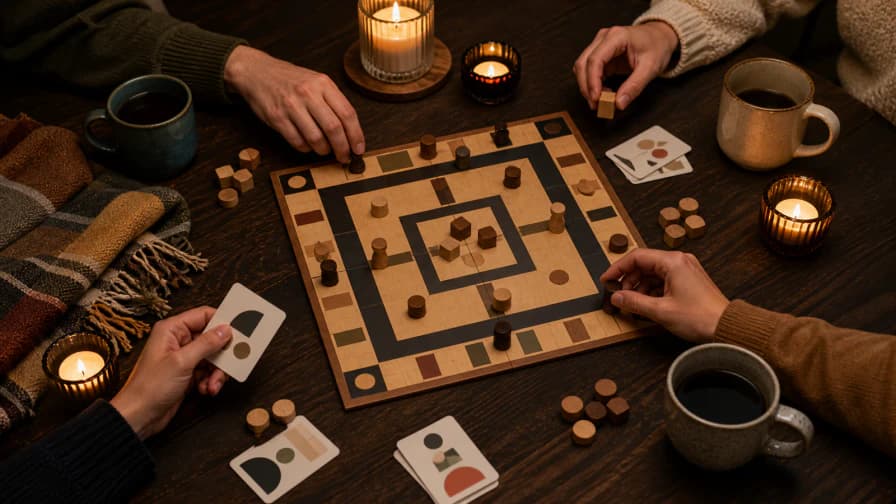
Candlelit Board Game Table
The square board provides straight lines and nested paths, but loose markers interrupt those routes in useful ways. Four hands anchor the outer areas, with mugs and abstract cards filling the spaces between them. Candle reflections shift across the wood, making the last dark pieces more about grain and light than solid brown.
Play Candlelit Board Game Table at 300 pieces
Mars Rover Tracks at Sunrise
Metallic joints and six patterned wheels make a compact mechanical section before the wider landscape begins. Curving tracks connect the rover to the foreground, and distant ridges divide the rust-colored ground from the bright sky. Subtle dust tones raise the difficulty without removing the directional clues.
Play Mars Rover Tracks at Sunrise at 300 piecesGive a 300-piece board a wide working area
Desktop and laptop screens are the most comfortable places to begin because hundreds of loose pieces need parking space as well as a central assembly area. A tablet can handle the count in landscape orientation, particularly when Full screen is active. On a phone the size picker stops at 252 by default, because 300 pieces on a small screen means a lot of panning. The links on this page still open 300 if you want to try. Most people here spend about two hours of play on a 300-piece puzzle, often in two or three sittings.
Screen size changes the workspace, not the puzzle itself. Full Screen removes surrounding site navigation and lets the table use more of the display, while View photo keeps the finished scene available for reference. Neither tool changes where pieces belong or reduces the count.
Sort for this picture, not for a generic routine
A universal pile for every blue piece is not always helpful. On the ski course, blue may mean flags, mountain shade or clear sky. Carpet pieces are better divided by border width and background color. Rover fragments can be sorted into metal, tracks, rock and horizon, while the board-game picture rewards separating hands and cards from the wooden table.
Small connected groups are useful even when their final location is uncertain. Assemble a carpet border, lodge roof or rover wheel where there is open space, then move the whole group when another section reveals its position. Jigsaway does not pin a correct group to one side of the board. Joined pieces remain free to move until the picture is complete.
Use the picture for relationships, not just color
At 300 pieces, two fragments can share a color while belonging far apart. The reference image shows which details touch: a gate beside a tree line, a card near a sleeve or a floral stem crossing a border. Checking those relationships is often faster than judging hue on its own. View photo is always available and does not make a public leaderboard finish unverified.
Save the table and return with fresh eyes
There is no need to finish a 300-piece puzzle in one sitting. The browser records the current arrangement on the same device, so a later visit can continue from that board. Taking a break is useful when several similar pieces have begun to blur together. The small differences in weave, snow or dust are easier to notice after time away.
Local saving works without an account. Signed-in play adds public history and eligible leaderboard results, but it is not a condition for opening any puzzle on this page. Avoid clearing browser site data if an unfinished local board needs to remain available.
Choose a lighter table when 300 is more than you want
A specific count should be a choice, not a test of commitment. The 50-piece collection keeps the same browser controls with far fewer loose shapes. For a broader range of difficult images and counts, visit Hard puzzles. Those pages answer different needs: one fixes the count at 50, and the other focuses on visual challenge rather than a single size.
There are more subjects in the full puzzle catalog, including coastal scenes, gardens and city streets. Open a picture and select 300 pieces in its setup panel. A subject you already know can be worth revisiting at this count: familiar outlines leave you free to notice details that passed almost unnoticed on a smaller board.